The metaverse is not just a buzzword, but a complex virtual space that combines various aspects of reality and the digital world. It represents a new stage in the development of the internet and digital technologies, where users can interact with virtual objects and each other in real time. The three key technologies behind the development of the metaverse are virtual reality (VR), augmented reality (AR), and blockchain.
Virtual reality (VR)
Imagine putting on a headset with special screens and sensors. They create a 3D environment that you can explore and interact with! It’s like being in a 3D movie, but instead of just watching, you’re right in the middle of the action.
Virtual reality is a technology that allows users to fully immerse themselves in a digital environment. With VR headsets such as Oculus Rift or HTC Vive, users can enjoy immersive 3D experiences. VR headsets or glasses are used, among other things, to create an immersive effect in games, enrich learning, or make communication with other users more realistic.
One of the key aspects of VR is its ability to create a sense of presence. In the metaverse, this means that users can feel like they are part of the virtual world, interacting with objects and other people as if they were in the same physical space.
The world of VR is getting better and bigger. Lighter and more comfortable headsets with clear displays are in development, as well as wireless models.
Metaverses + VR
Metaverses can change the way we interact with other people. We will hold work meetings or simply relax with friends in virtual spaces, represented by personalized avatars.
Using VR technology, developers will be able to create a giant network of worlds, each of which will offer users a unique experience. It is thanks to virtual reality that the concept of metaverses is so appealing: you enter a space where the possibilities are limited only by your imagination, and you can share this experience with hundreds of thousands of other users.
AR and metaverses
In the context of the metaverse, AR can be used to create hybrid spaces where virtual and real elements coexist and interact with each other. For example, you can go to a virtual concert with friends from different parts of the world and feel like you are really there. This is possible thanks to AR technologies that add digital elements to what we see in real life. Augmented reality glasses will allow you to interact with the metaverse while remaining in your familiar surroundings.
Augmented reality technologies also open up enormous opportunities for business. For example, with AR glasses, you will be able to virtually try on clothes or see how furniture will look in your home before you buy it. It is no coincidence that more and more high-end fashion brands are creating their own virtual spaces in the metaverse: we are just a few steps away from virtual shopping providing the same emotions as real shopping.
Blockchain
Blockchain is a distributed database that ensures the security and transparency of transactions. The basic principle of blockchain is that data is recorded in blocks that are linked together in a sequential chain. Each entry in the blockchain is immutable, which ensures a high level of security and transparency.
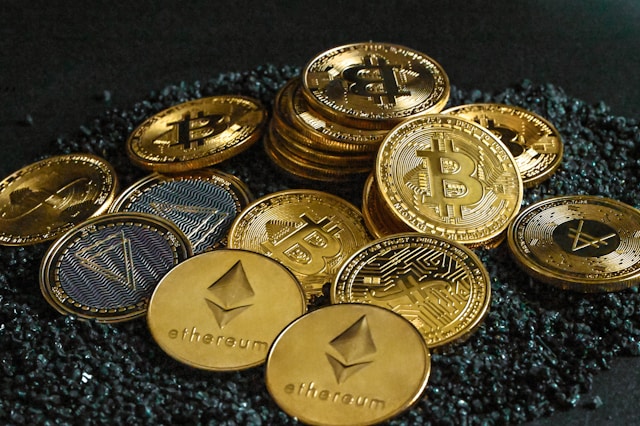
Blockchain was first used as the basis for cryptocurrencies such as Bitcoin. However, its application extends far beyond the financial sector. The technology can be used to track supply chains, create smart contracts, manage digital assets, voting, identity verification, and much more.
Blockchain makes it impossible for hackers to steal or misuse user information for fraud. Users can fully control their data using public and private keys. Tokens are another element of blockchain technology; they are cryptographic storage devices that can transfer encrypted digital information, personal data, and authorization keys.
Blockchain and metaverses
In the context of the metaverse, blockchain plays a key role in creating digital assets such as virtual land, items, and currency. Thanks to blockchain, users can own and manage their digital assets, as well as trade them on open markets. This creates a new economy where virtual goods can have real value. For example, the Decentraland platform uses blockchain to manage virtual land plots that users can buy, sell, and develop.
Non-fungible tokens (NFTs) are another example of blockchain use in the metaverse. They have various potential applications, such as in-game currency, avatar ownership verification, and game rewards. Thanks to blockchain technology, players can be sure that their assets in metaverse games will be preserved even if they lose internet access or delete the game.